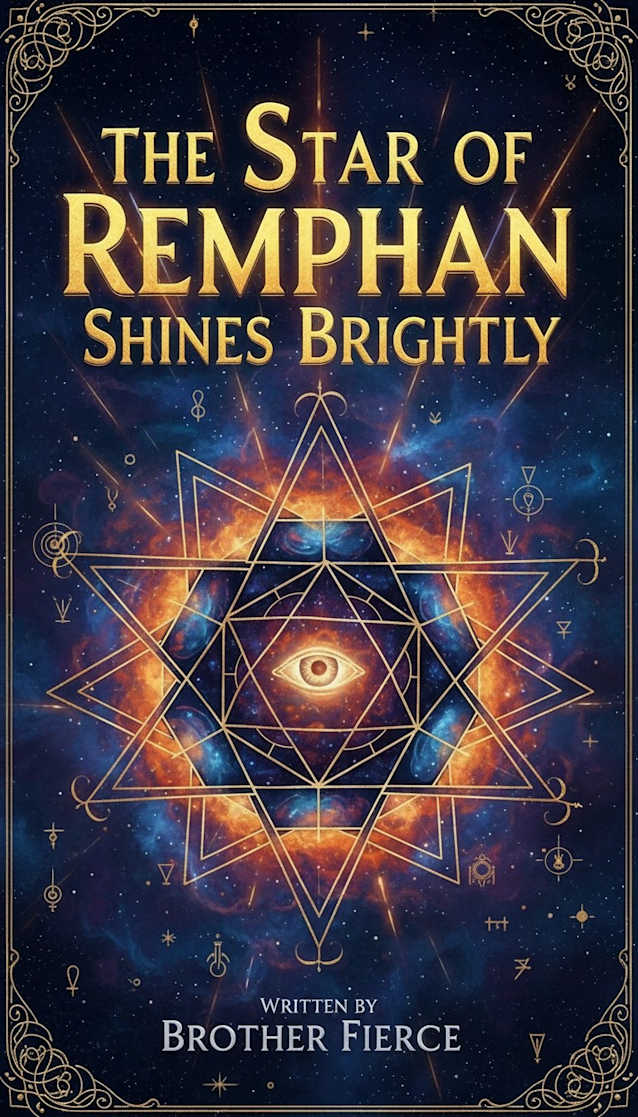
The Star Of Remphan Shines Brightly
About
In an era where biblical texts are frequently subjected to reinterpretation and modern scholarship often casts doubt upon the established understandings of Scripture, this work stands as a testament to the enduring power and singular authority of the 1611 King James Bible. Our purpose is not to engage in the speculative reconstructions favored by contemporary critics, but rather to delve deeply into the sacred text as it has been preserved for centuries, trusting in the wisdom and divine providence that guided its translation. The subject matter before us, the enigmatic “Star of Remphan,” as it appears in Acts 7:43, presents a fascinating case study in the challenges of biblical exegesis. For too long, this reference has been either dismissed, misinterpreted, or conflated with symbols that lack genuine scriptural grounding. This book, however, proceeds from the unwavering conviction that the King James Bible is the Word of God, fully translated and preserved. Therefore, all inquiries, all analyses, and all conclusions herein are derived exclusively from its hallowed pages. We will not venture beyond the boundaries set by this inspired text, nor will we lend credence to interpretations that contradict its plain meaning or historical context as understood through its own testimony. This dedication to the KJV is not a limitation, but a foundational principle, ensuring that our exploration of the “Star of Remphan” is anchored in the bedrock of biblical truth, offering clarity and conviction to those who seek it. We aim to demonstrate that within the KJV, the mystery of Remphan is unveiled, revealing not a void, but a profound warning against the persistent sin of idolatry that plagued ancient Israel and continues to present challenges to believers today. The spiritual landscape of the ancient Israelites was one fraught with peril, a constant battle against the seductive allure of the pagan practices that surrounded them. Time and again, the sacred narrative, as preserved in the 1611 King James Bible, chronicles their struggles with idolatry, their tendency to adopt the customs of the heathen nations, and the severe judgments that followed their apostasy. Among the myriad forms of false worship condemned by God, the veneration of celestial bodies stands out as a particularly persistent offense. This book undertakes a thorough investigation into one such instance, centering on the mysterious reference to the “Star of Remphan” found in the book of Acts. Our approach is rooted in a deep respect for the textual integrity and divine inspiration of the King James Version. We contend that this venerable translation is not merely a historical artifact, but the authoritative and complete Word of God, and as such, it serves as our sole guide and ultimate arbiter in matters of doctrine and interpretation. Our exploration will eschew the subjective readings and speculative theories that often characterize modern biblical criticism. Instead, we will meticulously examine the relevant passages within the KJV, allowing Scripture to interpret itself and historical context to illuminate the text. We will trace the linguistic links between Old and New Testament references, identify the planetary deity associated with “Remphan,” explore its pagan origins, and understand its condemnation within the broader prophetic warnings against celestial cults. Furthermore, we will address the controversial association of this ancient idolatry with contemporary religious symbols and practices, always measuring them against the unwavering standard of the KJV. The “Star of Remphan” is more than just a textual curiosity; it is a stark reminder of humanity’s propensity for worshipping the created rather than the Creator, a timeless warning against the dangers of syncretism and spiritual compromise. This study is dedicated to uncovering the truth as it is plainly revealed in the King James Bible, for the edification and spiritual strengthening of all who hold its words in highest esteem.